
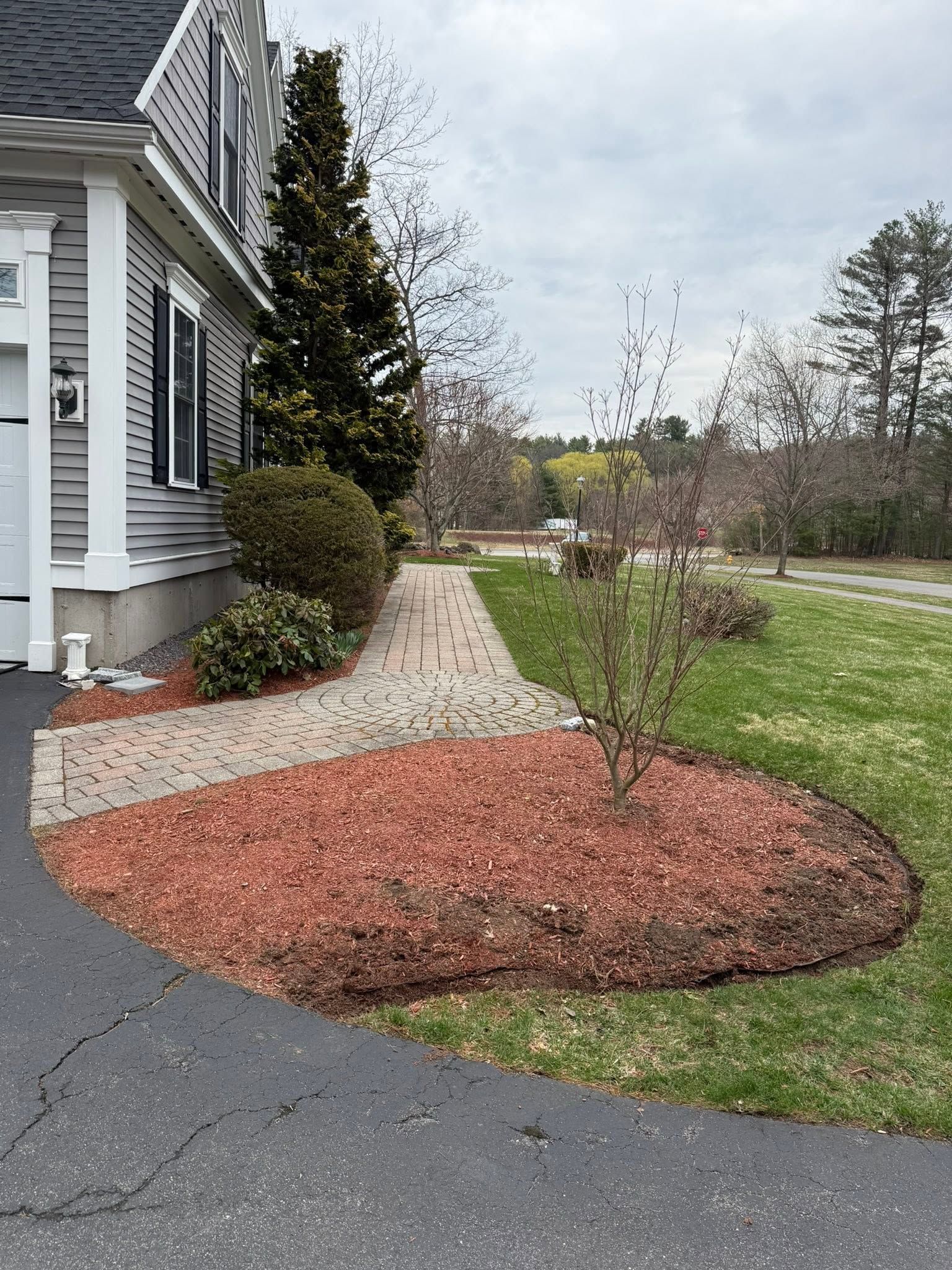
Landscapes Installed Around Property Conditions
Landscape Installation in Hudson for properties transitioning from construction, renovation, or outdated planting schemes
Planned landscape features take shape during installation when planting areas, grading adjustments, and transitions between hardscape and softscape move from design to actual ground conditions. The work addresses existing soil quality, drainage patterns revealed during excavation, and how new plantings connect to patios, walkways, retaining walls, and entrances. Epic Outdoor Scapes LLC handles landscape installation for properties in Hudson where site-specific conditions—clay-heavy soil, ledge outcroppings, or slopes that channel runoff—require adjustments during the build phase to support plant establishment and long-term growth.
Installation begins with soil preparation in planting areas, which may involve amending existing soil with compost or loam to improve drainage and root development, particularly where compacted subsoil from construction remains. Grading creates positive drainage away from foundations and hardscape, directing water toward landscape swales or perimeter areas rather than allowing pooling that drowns root zones or undermines paver bases.
Schedule a site review to evaluate soil conditions, drainage behavior, and how new landscape features will connect to existing hardscape.
What Changes After Landscape Installation Completes
Your property gains defined planting zones with prepared soil that supports root growth, mulch layers that retain moisture and suppress weeds, and plants selected for Southern New Hampshire hardiness zones that tolerate winter lows and summer heat typical in Hudson. Transitions between lawn areas, garden beds, patios, and walkways appear finished, with edging materials or grade changes creating clear boundaries that prevent grass encroachment into beds or mulch migration onto hardscape.
Once installation finishes, you'll notice plantings positioned according to mature size and sunlight requirements, avoiding the common mistake of overcrowding that forces removal or relocation within a few seasons. Shrubs near foundations stay far enough from walls to allow air circulation and prevent moisture buildup, and trees are sited away from overhead utility lines, septic systems, and structures where root expansion would cause future conflicts. Mulch depth remains consistent at two to three inches, thick enough to insulate roots and retain soil moisture but not so deep that it smothers surface roots or holds excess moisture against plant stems.
The installation includes coordination with irrigation if planned, placement of landscape lighting fixtures where wiring routes through planting areas, and timing that allows plants to establish roots before winter dormancy. Plant choices reflect maintenance preferences, with low-maintenance native species reducing pruning and pest management compared to high-input ornamentals that require regular intervention to maintain appearance.
Common Questions About This Service
Landscape installation projects involve soil work, plant selection for local conditions, and sequencing with hardscape construction, and these answers address frequent concerns.
What soil preparation happens before planting?
Existing soil is tested for drainage, compaction is broken up with mechanical tilling or manual amendments, and compost or loam is blended in to improve structure, particularly in areas where construction equipment compressed the subsoil.
How are plants chosen for Hudson properties?
Selections match USDA hardiness zone 5b conditions, tolerate clay soil common in the region, and fit sun exposure measured on-site, with native and adapted species prioritized for lower water and maintenance demands once established.
What happens if ledge or poor drainage is discovered during installation?
Grading adjustments redirect water flow, raised beds are built where shallow soil over ledge limits root depth, and plant choices shift toward species that tolerate the actual conditions rather than forcing incompatible selections into unsuitable locations.
When should landscape installation occur relative to hardscape work?
Planting typically follows patio, walkway, and retaining wall installation to avoid damage to new plants from equipment or material staging, though rough grading and soil preparation may happen earlier in the project sequence.
What maintenance do newly installed landscapes require?
Consistent watering through the first growing season establishes roots, mulch replenishment maintains two to three inch depth as material decomposes, and monitoring for pest or disease issues allows early intervention before problems spread.
Epic Outdoor Scapes LLC manages landscape installation projects from soil preparation through plant establishment, coordinating with hardscape timelines and adjusting to site conditions discovered during excavation. Request an estimate based on planting area size, soil conditions, and plant material selections.