
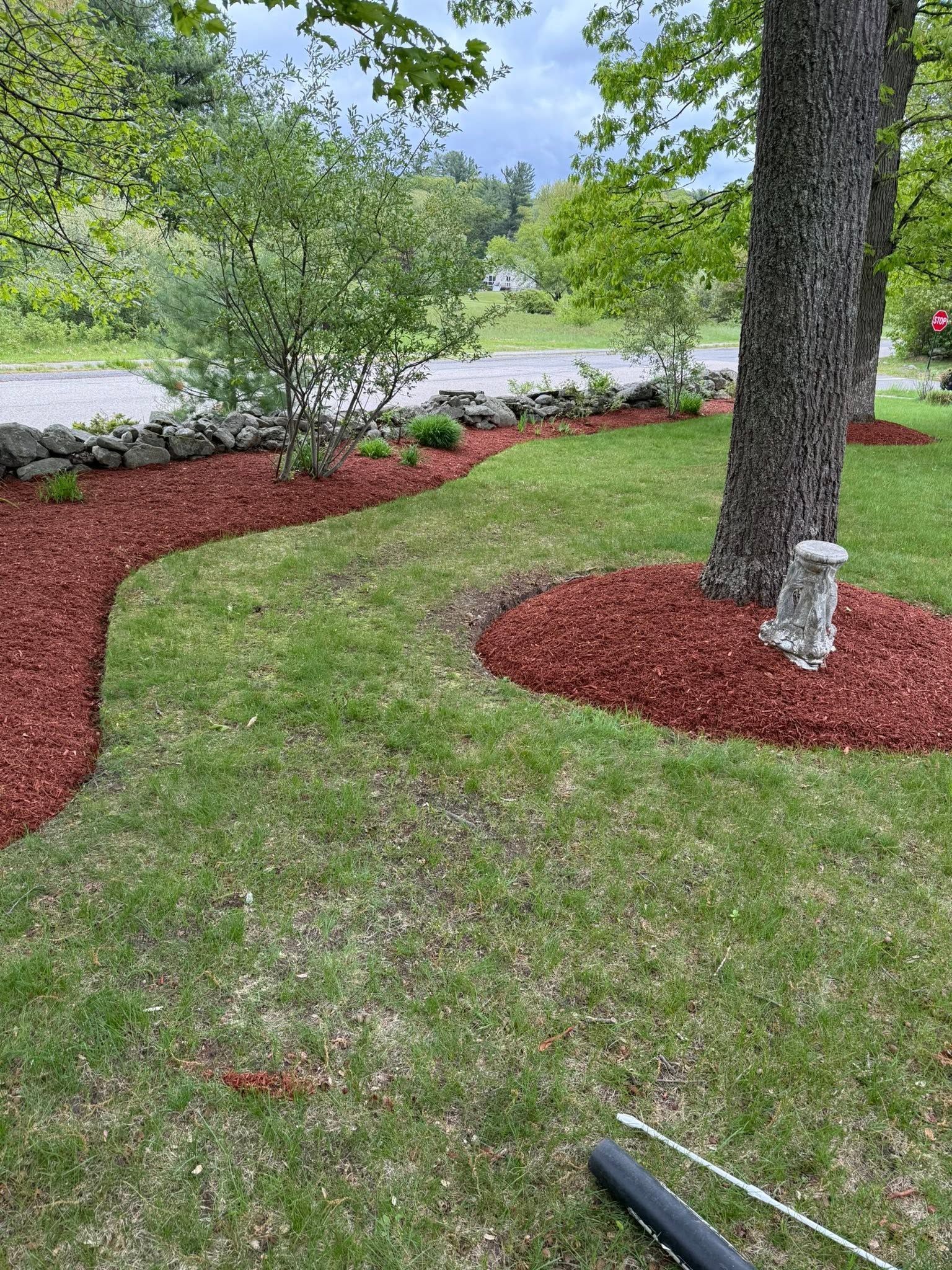
Beds Designed for Seasonal Interest
Planting and Garden Beds in Hudson for properties needing defined growing areas around homes, patios, walkways, and hardscape transitions
Garden beds concentrate plantings in zones designed around sunlight patterns measured through the day, soil drainage observed after rain, and maintenance access for pruning, weeding, and seasonal cleanup. Epic Outdoor Scapes LLC builds planting beds for Hudson properties where beds frame entrances, soften hardscape edges along patios and retaining walls, or create layered interest in front yards and side landscapes. Bed layout accounts for mature plant size to prevent overcrowding, root competition, or shading conflicts that force replanting within a few seasons.
Bed preparation involves excavating existing turf or compacted soil, establishing edges with stone, metal, or natural grade transitions that prevent grass encroachment, and amending soil to support root development in clay-heavy conditions common across Southern New Hampshire. Plantings are arranged in layers—taller shrubs toward the back or center, mid-height perennials filling middle zones, and groundcovers or low edging plants along borders—creating depth and visual interest from multiple viewing angles.
Arrange a consultation to review sunlight patterns, drainage behavior, and where beds will integrate with your existing landscape and hardscape.
Why Plant Choices Matter for Site Conditions
Plant selection starts with measuring sunlight exposure across morning, midday, and afternoon to separate full-sun zones from part-shade and full-shade areas, since mismatched light conditions result in poor flowering, leggy growth, or plant decline regardless of other care. Soil moisture patterns observed after rain reveal where drainage is fast, moderate, or slow, guiding choices toward drought-tolerant species for dry zones and moisture-loving plants for areas that stay damp longer.
Once planting finishes, you'll have beds that display seasonal interest through spring blooms, summer foliage textures and colors, fall leaf changes, and winter structure from evergreens or ornamental grasses that remain visible after deciduous plants drop leaves. Beds around home foundations provide scale and soften building lines without blocking windows or trapping moisture against siding, and plantings along walkways or patio edges define borders while staying clear of foot traffic zones. Mulch layers applied two to three inches deep retain soil moisture, moderate root zone temperature swings, and reduce weed pressure, though depth must stay below plant crowns to prevent rot.
Garden beds integrate with hardscape features by echoing colors or textures—gray-foliage plants complementing bluestone patios, ornamental grasses softening angular retaining walls, or evergreen groupings anchoring paver walkway terminals. Maintenance preferences influence plant choices, with native perennials and adapted shrubs requiring less intervention than hybrid annuals or high-input ornamentals that demand regular deadheading, fertilization, and pest management.
Questions Before Starting Your Project
Garden bed projects involve site assessment, plant selection for Hudson growing conditions, and maintenance planning, and these answers clarify common planning concerns.
How is sunlight exposure measured for plant selection?
Observations at three-hour intervals from morning through late afternoon document sun and shade patterns as they shift with tree canopy, building shadows, and seasonal sun angle changes, ensuring plants match actual light levels rather than assumptions.
What keeps garden beds from becoming overgrown?
Spacing plants according to mature width prevents crowding, selecting slower-growing species reduces pruning frequency, and including evergreens provides structure without the rapid expansion common in aggressive perennials.
How do beds handle Hudson winters?
Hardy plant selections tolerate zone 5b temperature lows, mulch insulates roots through freeze-thaw cycles, and perennials are cut back in late fall to prevent broken stems from snow load while leaving ornamental grasses standing for winter interest.
What edging materials work best for maintaining bed boundaries?
Stone edging provides permanent definition and withstands frost heave, metal landscape edging installs quickly and holds curves well, and natural grade transitions reduce material cost while requiring occasional re-edging as grass creeps inward.
When should new beds be planted?
Spring installation allows a full growing season for root establishment before winter, while fall planting works for hardy perennials and shrubs that benefit from cool temperatures and consistent moisture, though timing depends on plant type and project scheduling.
Epic Outdoor Scapes LLC designs and installs planting beds that balance seasonal interest, site conditions, and maintenance expectations for properties across Hudson. Schedule a site evaluation to discuss bed placement, plant selections, and how beds will transition to surrounding landscape and hardscape features.